What Defines an Upcoming Mainboard IPO?
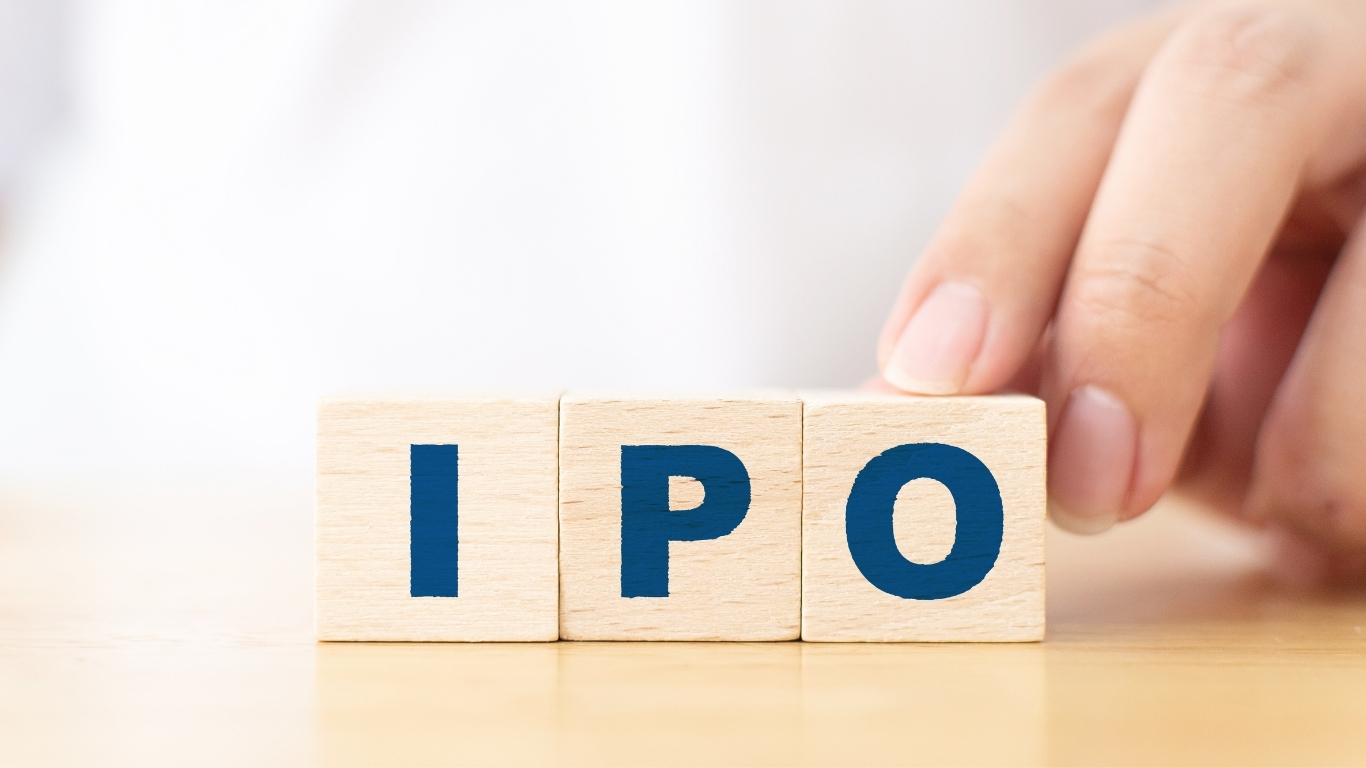
An upcoming Mainboard IPO refers to the public issue of shares by a well-established or large company that has recently filed its DRHP (Draft Red Herring Prospectus)with SEBI (Securities and Exchange Board of India) and announced its intention to list on India’s leading stock exchanges such as BSE (Bombay Stock Exchange) andNSE (National Stock Exchange).
These IPOs typically feature large issue sizes, proven business models, strong financial track records, and are backed by significant demand from both institutional investors (like mutual funds, FIIs, DIIs) and retail investors. Because of their scale and credibility, upcoming Mainboard IPOs often gain high visibility in financial news and attract wide participation.
How to Apply for Upcoming IPOs in India?
Applying for an upcoming IPO has become easier than ever with online trading platforms and banking apps. All you need is:
- A valid Demat Account to hold shares electronically.
- A Trading Account with any broker.
- A UPI ID linked to your bank account for payment authorization.
Follow these steps to apply:
- Step 1: Log in to your trading app (Zerodha, Groww, Upstox, Angel One, Motilal Oswal, etc.) or internet banking portal.
- Step 2: Navigate to the “Upcoming IPO” section.
- Step 3: Select the IPO you want to apply for and review details such as price band, issue size, company background, and objectives of the issue.
- Step 4: Enter the lot size (minimum investment unit) and bid price within the specified price band.
- Step 5: Confirm your application and approve the UPI payment request.
- Step 6: Funds remain blocked in your account until allotment is finalized.
- Step 7: Check allotment results on the registrar’s site (KFintech, Link Intime, etc.) or through your broker.
Eligibility Criteria for Applying in IPOs
- Must have a valid PAN Card linked with Aadhaar.
- A functioning Demat and Trading Account.
- A Bank Account with UPI/ASBA enabled services.
- Retail category max investment limit: ₹2 lakhs.
Categories of IPO Investors
- Retail Individual Investors (RII): Small investors applying up to ₹2 lakhs.
- High Net Worth Individuals (HNI/NII): Individuals applying above ₹2 lakhs.
- Qualified Institutional Buyers (QIBs): Mutual funds, banks, insurance companies, FIIs.
- Anchor Investors: Institutions investing before IPO opens for the public.
IPO Timeline Explained
- DRHP Filing: Company submits draft prospectus to SEBI.
- Approval: SEBI reviews and approves IPO.
- Price Band Announcement: Company fixes issue price range.
- Subscription Period: Usually open for 3 working days.
- Allotment: Shares allotted within 1 week.
- Listing: Shares listed on NSE/BSE within 6 working days post closure.
Checklist Before Applying
- Read the RHP (Red Herring Prospectus) carefully.
- Check company’s financial performance and sector outlook.
- Compare PE ratio with industry peers.
- Check subscription trend (QIB, HNI, Retail demand).
- Invest only if valuation looks reasonable.
Grey Market Premium (GMP) in IPOs
Grey Market Premium (GMP) indicates the extra price at which IPO shares are traded unofficially before listing. While GMP gives a hint of expected listing gains, it is unofficial and not regulated by SEBI. Investors should not rely solely on GMP for decision-making.
Tax Implications on IPO Investment
- Short-term gains (sold within 1 year): Taxed at 15%.
- Long-term gains (after 1 year): Tax-free up to ₹1 lakh; above that taxed at 10%.
- Dividend Income: Taxed as per individual tax slab.
Tips to Increase Chances of IPO Allotment
- Apply using multiple Demat accounts (family members).
- Bid at the cut-off price for higher chance.
- Avoid last-minute applications; apply on Day 1 or Day 2.
- Ensure sufficient funds are maintained in the bank account.
Common Mistakes to Avoid
- Not checking UPI mandate approval.
- Applying from same PAN multiple times (leads to rejection).
- Ignoring company fundamentals and only chasing GMP.
- Investing all savings in a single IPO.
Case Studies – IPO Performance
- Infosys IPO (1993): Investment of ₹10,000 turned into crores over 25 years.
- Zomato IPO (2021): Listed at premium but witnessed volatility later.
- Nykaa IPO (2021): Strong listing gains, became a popular retail favorite.
Future Outlook of IPO Market
With India’s growing economy and increasing retail participation, the IPO market is expected to remain active. Emerging sectors like fintech, EV, renewable energy, and healthcare will see more IPOs in coming years. Government disinvestments and tech startups will further boost the IPO pipeline.
Conclusion – Should You Invest?
Upcoming Mainboard IPOs provide an excellent opportunity for both new and experienced investors. However, every IPO is different. Investors should carefully study the company’s financials, valuation, and growth potential before applying. IPO investments can be rewarding if chosen wisely and aligned with your risk appetite and long-term goals.